

Master Your Skills with Iron Palm Training Techniques


Iron palm training techniques have fascinated martial artists and athletes for centuries. This ancient practice builds hand strength, conditions the skin, and improves striking power. I’ve trained in these methods since 1975 and want to share a little of what I’ve learned. Whether you want to enhance your martial arts skills or simply develop tougher hands, iron palm training offers a unique path.
What Are Iron Palm Training Techniques?
Iron palm training techniques focus on conditioning your hands to deliver powerful strikes without injury. The goal is to toughen the skin, bones, and muscles through repeated impact and specialized exercises. This training is not just about brute force. It involves precision, patience, and proper care.
The techniques often include:
Striking various surfaces like sandbags, wooden boards, or specialized bags.
Using herbal liniments to promote healing and reduce inflammation.
Gradually increasing intensity to avoid injury.
The process strengthens your hands and improves your overall striking ability. It also builds confidence and mental toughness. Many practitioners say it changes how they approach training and combat.

Essential Iron Palm Training Techniques to Know
To master iron palm training, you need to understand the core techniques. These methods focus on different parts of the hand and use specific tools.
Striking Surfaces
Start with softer surfaces like bean bags or sandbags. These allow your hands to adapt without damage. Over time, move to harder surfaces like wooden boards or iron palm training bags.
Hand Positions
Use different parts of your palm and fingers for striking:
Palm heel: The base of your palm is the primary striking area.
Fingers: Strengthen fingers by striking with the tips or sides.
Knuckles: Conditioning knuckles helps with punches and strikes.
Knife Hand: The traditional karate chop is supercharged with the proper makiwara.
Ridge Hand: The thumb side of the hand at the index finger knuckle
Herbal Liniments
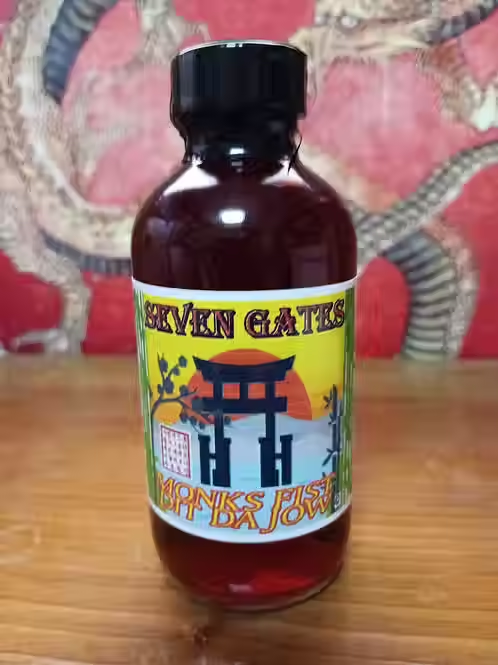
After training, apply herbal liniments to your hands. These traditional remedies reduce swelling and speed up recovery. They also help prevent long-term damage.
Breathing and Focus
Iron palm training is as much mental as physical. Focus on your breathing and strike with intention. This helps you avoid injury and improves technique. Higher levels cannot be attained by brute force alone. It requires the unity of mind, body and spirit to plug into the universal power that is available but beyond most students reach.
Progressive Training
The number one rule of this training is GO SLOW ! Never rush. Increase the intensity and hardness of your striking surfaces gradually. This prevents injury and builds lasting strength.
How to Do Iron Palm Training?
Starting iron palm training requires care and a clear plan. Here’s a step-by-step guide to get you going safely.
Step 1: Prepare Your Hands
Begin by warming up your hands with light exercises. Stretch your fingers, wrists, and palms. This reduces the risk of injury. There are some dit da jows that condition soft tissue that can be applied before practice. This is beneficial in not only the warm up phase but helps toughen skin, muscle, connective tissue and bone that will not only make strikes more devastating but helps prevent injury.
Step 2: Choose Your Training Bag
Use a soft training bag initially. The iron palm training bag combo is a great option to start with. It combines different materials to help you progress safely.
Step 3: Start Striking
Strike the bag with the palm heel. Use controlled, moderate force. Start slow with the eventual goal of 100-200 strikes per session, depending on your level. Remember, train both hands equally and rotate the surfaces of the hand that you train;
Step 4: Apply Herbal Liniment
After training, massage your hands with herbal liniment. This soothes soreness and promotes healing. Try to get the Dit Da Jow that is appropriate for your level.
Step 5: Rest and Recover
Give your hands time to recover. Avoid overtraining but this does not mean complete rest. I trained 6 days a week. I simply trained different areas of the anatomy. I did not restrict myself to Iron Palm alone but instead included most parts of my body's anatomy. Most martial artist that train in toughening the hand, train only the hand. Far less train in iron body. This is a subject for a later date as the training protocols are a bit different.
Step 6: Increase Intensity Gradually
As your hands toughen, increase the force and switch to harder bags or boards. Keep monitoring your hands for any signs of damage.
Step 7: Incorporate Different Strikes
Add finger strikes, knuckle punches, and other hand positions to your routine. This builds comprehensive hand strength.

Benefits of Iron Palm Training
Iron palm training offers many advantages beyond just stronger hands. Here are some key benefits:
Improved striking power: Your punches and palm strikes become more effective.
Increased hand durability: Tougher skin and stronger bones reduce injury risk.
Better focus and discipline: The training requires patience and mental control.
Enhanced recovery: Using herbal liniments helps your hands heal faster.
Boosted confidence: Knowing your hands are conditioned builds self-assurance.
These benefits make iron palm training valuable for martial artists, athletes, and anyone interested in hand conditioning.
Tips for Safe and Effective Iron Palm Training
Safety is critical when training your hands. Here are some tips to keep your training effective and injury-free:
Start slow: Don’t rush into hard strikes. Build up gradually.
Use proper tools: Invest in quality training bags and herbal liniments.
Listen to your body: Stop if you feel pain or discomfort.
Maintain hygiene: Clean your hands and training equipment regularly.
Rest adequately: Allow time for recovery between sessions.
Seek guidance: Learn from experienced practitioners or instructors.
Stay consistent: Regular practice yields the best results.
Following these tips will help you master iron palm training techniques safely.
Integrating Iron Palm Training into Your Routine
You can add iron palm training to your existing workout or martial arts practice. Here’s how to do it effectively:
Dedicate 10-15 minutes per session to hand conditioning.
Combine iron palm strikes with your regular striking drills.
Use herbal liniments as part of your post-training care.
Track your progress by noting improvements in hand strength and pain tolerance.
Adjust your training intensity based on your schedule and recovery.
Consistency is key. Even short, regular sessions can lead to significant improvements over time.
Iron palm training is a powerful way to develop stronger, more resilient hands. With the right techniques, tools, and mindset, you can master this ancient art. Remember to train smart, stay patient, and care for your hands. Your skills and confidence will grow with every strike. then consider this: Iron Palm and Body training is not just beneficial for devastating striking power during sparing, competition or real world engagements. It also trains the hands and body to be far more resistant to injuries. Injuries in sparing or competition can stop your participation until you heal. Injuries in real world engagements can have far worse consequences as you can't just opt out. Treat it as both offensive and defensive training of your anatomy and before you know it you'll start seeing results.


Master Andy, Sir: Doc will like to train Iron Palm. Doc's Mother just sent him two bottles of pomegranet juice ... Palm of Granite...a sign. Doc's left hand can barely clinch...he needs open striking capabilities more than ever. Hoora, Sir. Do you train in the Werner's at all, Sir? "Im in"...Danny Ocean